
Laser Dentistry in Salem
Introduction to
Laser Dentistry
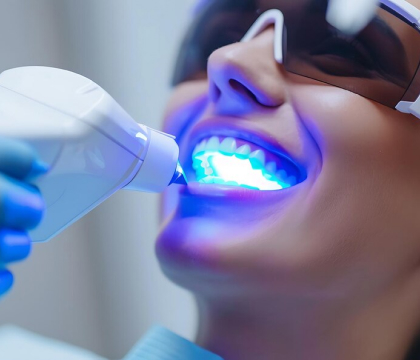
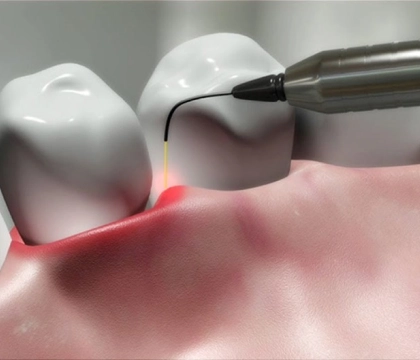
LASER stands for Light Amplification by Stimulated Emission of Radiation. It is a technology that generates light energy in a highly concentrated, focused beam. When this beam comes into contact with tissue, it produces a reaction that allows for the precise removal or reshaping of the tissue.
Laser dentistry has become an effective tool in treating various dental conditions. Unlike traditional drills or other non-laser methods, it often provides a more comfortable option for procedures involving dental tissues.
Some common treatments performed using lasers in dentistry include:
- Treating tooth sensitivity
- Addressing gum disease
- Treating gum pigmentation
- Removing tooth decay
Benefits of
Laser Dentistry
Laser dentistry is an advanced, state-of-the-art approach to dental care, offering numerous advantages over traditional methods. We are proud to provide this cutting-edge technology in our office to enhance your dental experience.
Here's why laser dentistry may be the ideal choice for your following dental procedure:
- Minimally Invasive: Laser treatments require little to no cutting or stitches, especially for soft tissue procedures. This leads to less discomfort and faster recovery times.
- Reduced Bleeding and Increased Comfort: The Laser's heat helps seal blood vessels as it works, resulting in less bleeding during and after treatment. This contributes to a cleaner, more comfortable experience overall.
- Less Need for Anesthesia: Many laser procedures can be performed without anaesthesia, making it an excellent option for those who experience anxiety or sensitivity to numbing agents.
- Lower Risk of Infection: Lasers sterilize the treatment area as they work, significantly reducing the risk of bacterial infections and promoting safer, faster healing.
- Faster Healing and Better Results: The precision of laser treatment promotes quicker healing and can even encourage tissue regeneration in some cases, which is excellent for your long-term dental health.
- Preserving Natural Tooth Structure: Lasers allow us to target problem areas with remarkable accuracy, keeping more of your healthy tooth structure and helping to maintain your natural smile.
Laser dentistry offers modern, efficient care for everything from routine procedures to more complex treatments. Our team is extensively trained in these advanced techniques to ensure you receive the best possible care.
Whether you're looking for a simple procedure or something more involved, inquire about the benefits of laser dentistry. Experience the future of dental care today!
Standard Procedures
In Laser Dentistry
Laser dentistry is used for a variety of procedures; some of the most common include:
Gummy Smile Treatment
Lasers are used to reshape the gum tissue in cases of a gummy smile, where excessive gum tissue covers a significant portion of the teeth, giving the appearance of a "gummy" smile.
Crown Lengthening
This procedure involves reshaping both gum tissue and bone to improve the structure of the tooth. It is often used to remove excess gum tissue (and occasionally bone) around the upper teeth, making them appear longer and more aesthetically pleasing.
Tongue Frenulum Attachment Treatment
In children, lasers can help correct a restricted frenulum, a condition commonly referred to as "tongue-tie." This condition can cause difficulties with breastfeeding and may also lead to speech issues.
Soft Tissue Fold Removal
For patients with ill-fitting dentures, lasers can effectively and painlessly remove soft tissue folds caused by irritation, eliminating the need for sutures and reducing discomfort.
Laser Dentistry Cost at
Rudra Dental - Smilelature
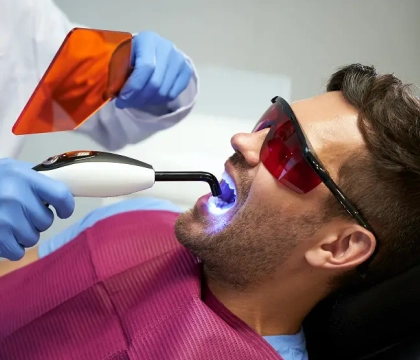
The cost of laser treatments varies depending on the specific procedure and the type of laser equipment used. While laser treatments can be slightly more expensive than traditional methods, they often require fewer sessions, making them a cost-effective option in the long run.
What to Expect During a Laser Dentistry Procedure?
Preparation:
- Schedule a consultation with your dentist.
- Discuss your dental concerns to determine if laser treatment is the right option for you.
- Ask any questions you may have about the procedure to ensure you're fully informed.
During The Procedure:
- The procedure is generally straightforward, similar to a standard tooth filling.
- No drilling is involved; the Laser does all the work.
- You should experience minimal pain or discomfort.
- The dentist will open your mouth to access the treatment area.
- Some minor bleeding may occur, which will be promptly addressed by your dentist.
- The Laser will precisely target the affected area for optimal results.
Post-Procedure Care and Recovery:
- Expect less bleeding than with traditional dental procedures.
- There should be no open wounds at the treatment site.
- The risk of infection is significantly lower compared to conventional treatments.
- Most patients experience minimal to no pain or swelling.
If you experience severe pain or swelling for more than a day, contact your dentist immediately. Be sure to follow any specific aftercare instructions provided by your dentist for the best recovery outcome.
Laser Dentistry vs Traditional Dentistry
| Aspect | Traditional Methods | Laser Dentistry |
|---|---|---|
| Pain | Can cause discomfort due to vibrations, often requiring anesthesia | Generally, pain-free, fast, and effective |
| Bleeding | More likely to cause bleeding during treatments | Promotes immediate blood clotting, resulting in minimal bleeding |
| Recovery | Slower tissue regeneration, wounds may take longer to heal | Faster tissue regeneration, quicker healing of minor wounds |
| Bacterial Infections | May take longer to resolve and require multiple visits | Sterilizes the affected area with heat, providing more accurate infection removal |
| Anesthesia | Often required | Often unnecessary |
| Sutures | Frequently needed for soft tissue procedures | Decreased need for sutures with soft tissue lasers |
| Damage to Surrounding Tissues | More likely to cause damage to surrounding tissues | Less damage to surrounding tissues |
| Swelling | More common | Minimal or no swelling in most cases |
| Sterilization | Standard sterilization methods | Laser sterilizes the area, reducing infection risk |
| Overall Patient Experience | Can be uncomfortable | Generally, more comfortable |
| Versatility | Limited to specific tools for each procedure | One tool can perform a wide range of treatments |